
Why “Quiet Tech” Is Becoming the Design Trend to Watch

For a decade, the most successful interface was often the one that pulled you back. Quiet tech proposes a different measure of success: did the product help without making itself the center of the room?
The screen is no longer the automatic answer
A light, haptic cue or physical control can communicate status without opening an app. The best alternative is specific and learnable, not mysterious.
Screenless wearables are gaining a constituency
Rings, bands and discreet trackers appeal to people who want health trends without another feed. Their restraint is a feature only if the companion app remains clear.
Ambient information needs boundaries
A face-down phone that glows for selected updates can be calmer than a full notification. If every app gets access, the quiet signal becomes noise again.
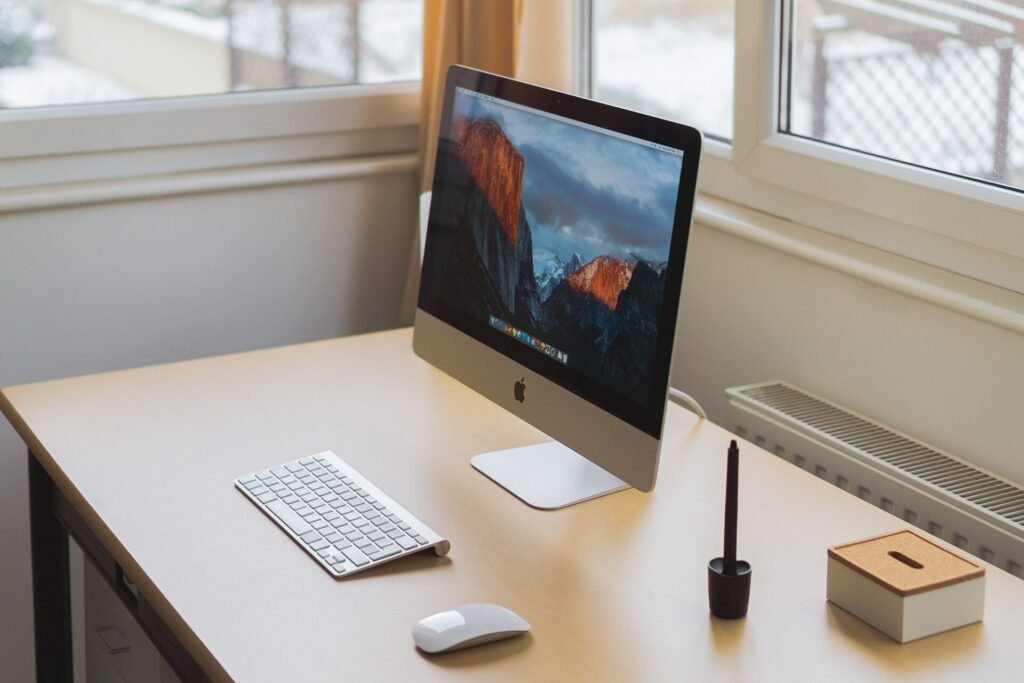
Physical controls are returning
Dials and buttons let people act by touch and often work better while driving, exercising or cooking. Tactility can be an accessibility improvement as well as an aesthetic choice.
Calm design is not absence of information
Important alerts still need urgency and explanation. Quiet technology should reduce unnecessary demand so the critical signal becomes easier to notice.
The business tension
Many digital products make money from attention. Quiet tech will remain a niche unless companies can value trust, retention and useful outcomes more than another minute of scrolling.
Editor’s note: This story is designed as a practical briefing, not a substitute for official travel, medical, legal or safety guidance. Details can change; follow the linked primary source at the point of decision.
Primary source and further reading: Open the original source. Reporting checked August 31, 2026.
SOURCES
Sources and further reading
EZ Trends links to primary documents, official announcements and established public-interest organizations. Consult the linked sources for current information.
- Google: Made by Google 2026blog.google