
11 Home Energy Moves That Matter During a Heatwave
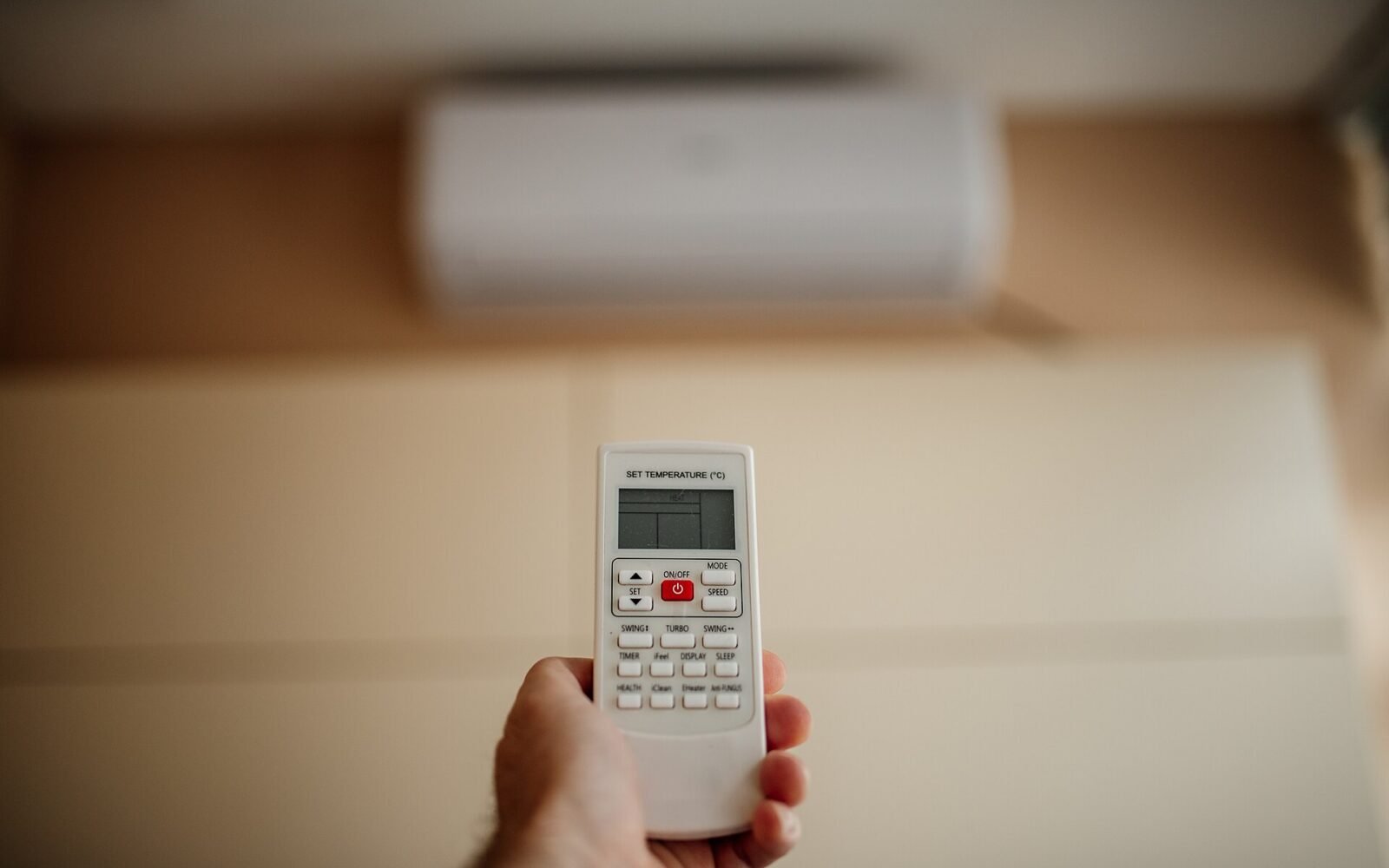
Energy advice can become moralizing at exactly the wrong moment. During dangerous heat, cooling is a health tool. The goal is not to suffer more efficiently; it is to keep people safe while reducing avoidable heat gain and peak demand.
1–2. Block sun early and seal obvious leaks
Close exterior shades or curtains before direct sun reaches the glass. Weather stripping around doors and windows helps cooled air stay inside.
3–4. Cool people and rooms strategically
Fans improve comfort by moving air over skin but do not lower room temperature. Turn them off in empty rooms and follow health guidance when indoor temperatures are dangerously high.
5–6. Shift flexible appliance use
Dishwashers, laundry and ovens add heat and demand. Run them outside the hottest hours when local guidance and your tariff make that useful.
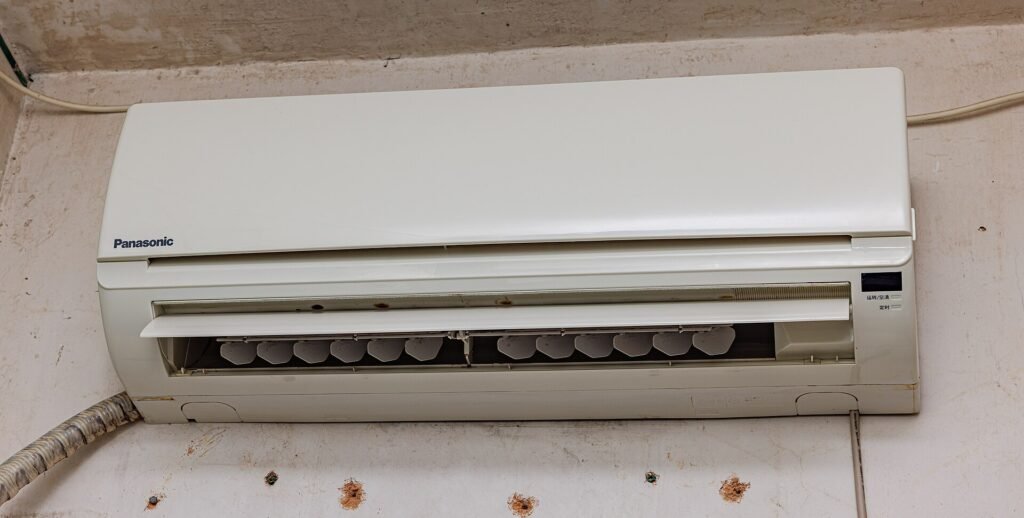
7. Keep filters and outdoor units clear
A dirty filter or blocked condenser forces a system to work harder. Follow the manufacturer’s maintenance instructions and use a qualified technician for repairs.
8–9. Use zones and doors intentionally
Cool the occupied area when the system allows it, but do not block airflow in a way the HVAC design forbids. Close off unused hot rooms only when safe.
10. Prepare for an outage
Charge essential devices, know where the nearest cooling center is and check on people at higher risk. A plan is more useful than a drawer full of gadgets.
11. Make long-term upgrades in the right order
Air sealing, insulation, exterior shading and efficient heat pumps often matter more than a trendy smart-home accessory. Start with an energy assessment where available.
Editor’s note: This story is designed as a practical briefing, not a substitute for official travel, medical, legal or safety guidance. Details can change; follow the linked primary source at the point of decision.
Primary source and further reading: Open the original source. Reporting checked August 31, 2026.
SOURCES
Sources and further reading
EZ Trends links to primary documents, official announcements and established public-interest organizations. Consult the linked sources for current information.
- energy.govenergy.gov
- U.S. Department of Energy: heating and coolingenergy.gov
- ENERGY STAR: cooling efficientlyenergystar.gov