
12 Ways to Travel Safely During an Extreme Heatwave
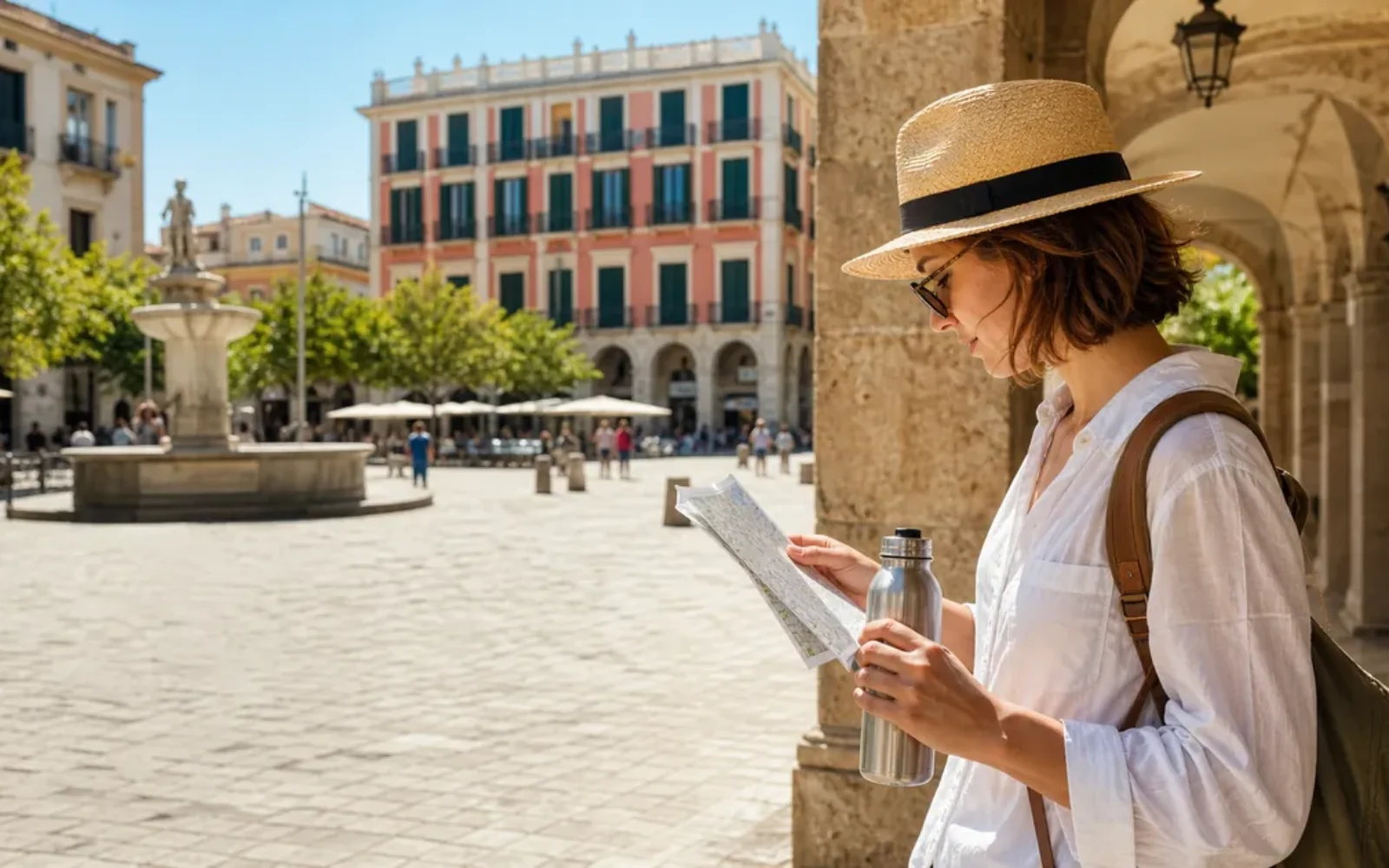
Heat is no longer a background detail on a summer itinerary. It can disrupt transport, close attractions and create serious health risks.
The useful response is not panic. It is a different rhythm for the day, stronger information sources and enough flexibility to stop when conditions change.
Move outdoor plans to the morning
Use the coolest hours for long walks, viewpoints and exposed historic sites.
Create a protected afternoon block
Plan a museum, long lunch, shaded market or hotel break during the hottest period.
Treat evening as a second active window
Many destinations become more comfortable after sunset, and the split day can improve the trip.

Follow local official alerts
Use local meteorological and emergency services rather than relying only on a generic weather app.
Map water refills before walking
Carry water and identify reliable refill points, especially where shops close in the afternoon.
Build shade into the route
Choose tree-lined streets, covered transport and indoor waypoints instead of simply taking the shortest path.
Wear heat-appropriate clothing
Light clothing, a hat and suitable sun protection reduce avoidable exposure.
Keep reservations flexible
Avoid stacking non-refundable activities when closures, delays or health conditions may change the plan.
Save offline essentials
Store maps, accommodation details and emergency numbers in case service becomes unreliable.
Check wildfire and air-quality maps
Heat and smoke can create separate risks. A blue sky in one neighborhood does not describe the whole region.
Know the early signs of illness
If someone feels unwell, move to a cooler place and follow local medical guidance.
Stop before the itinerary becomes a test
The goal is not to beat the heat. People with higher health risks may need more conservative plans and personal clinical advice.
The practical takeaway: Use the list to narrow the next decision, then verify prices, permissions, health guidance or official availability at the point of action.
Source: New Zealand SafeTravel extreme-weather guidance, August 2026.
SOURCES
Sources and further reading
EZ Trends links to primary documents, official announcements and established public-interest organizations. Consult the linked sources for current information.
- New Zealand SafeTravel extreme-weather guidance, August 2026safetravel.govt.nz
- CDC: Heat and travel guidancewwwnc.cdc.gov