
7 Ways to Use a Wearable Without Letting the Score Run Your Life
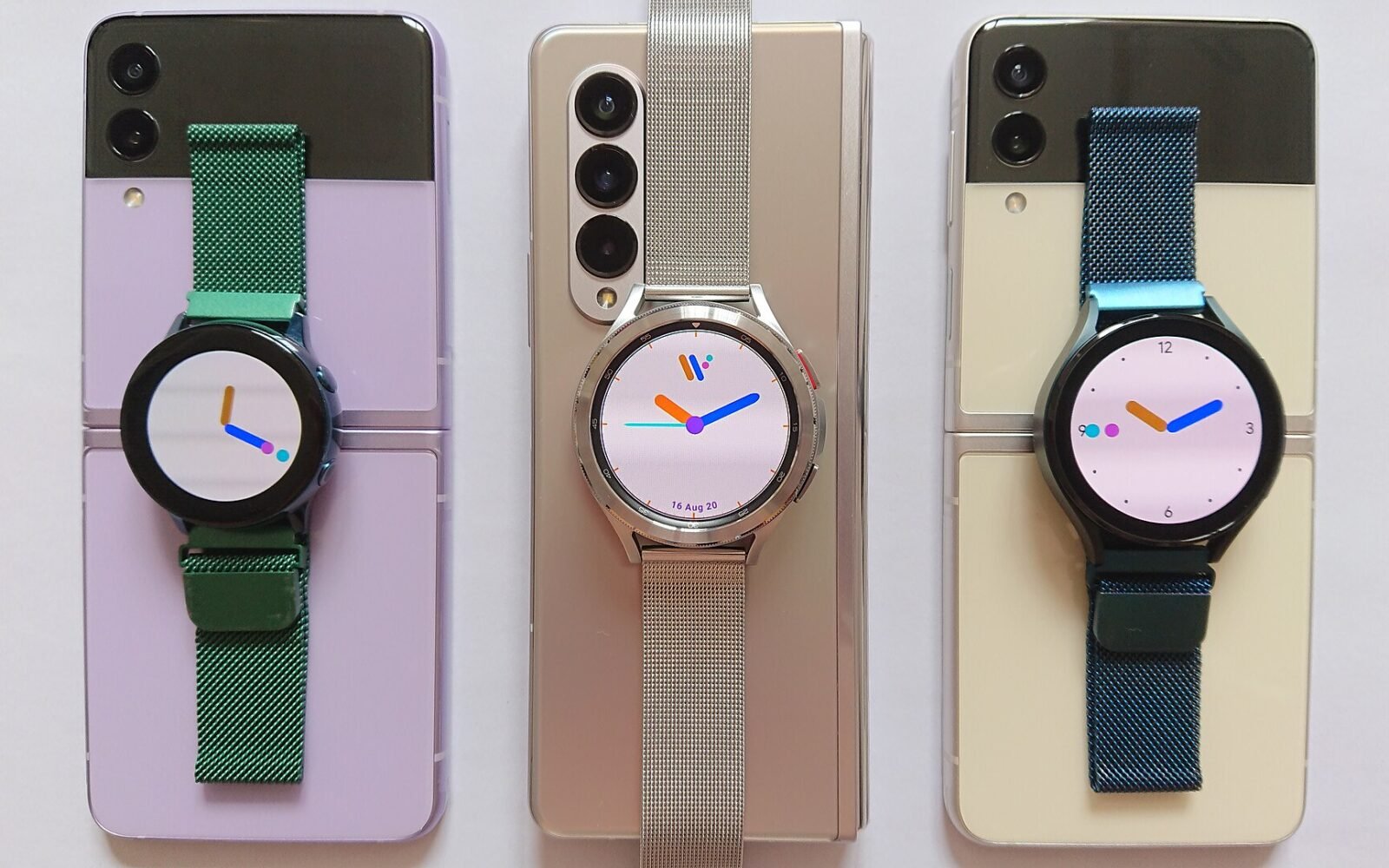
A wearable is very good at turning a messy night or an ordinary workout into a precise-looking number. Precision is not the same as certainty. The most useful relationship with the device is curious, not obedient.
1. Follow trends, not one morning
Sleep and recovery metrics are estimates influenced by movement, heart rate and the device’s model. Look for a pattern across weeks before changing a routine.
2. Choose one behavior to test
Move bedtime, reduce late caffeine or add a recovery day—one change at a time. Otherwise the data cannot tell you which choice mattered.
3. Hide metrics you do not use
More dashboards can create more checking without better decisions. Keep the measures connected to a real goal.
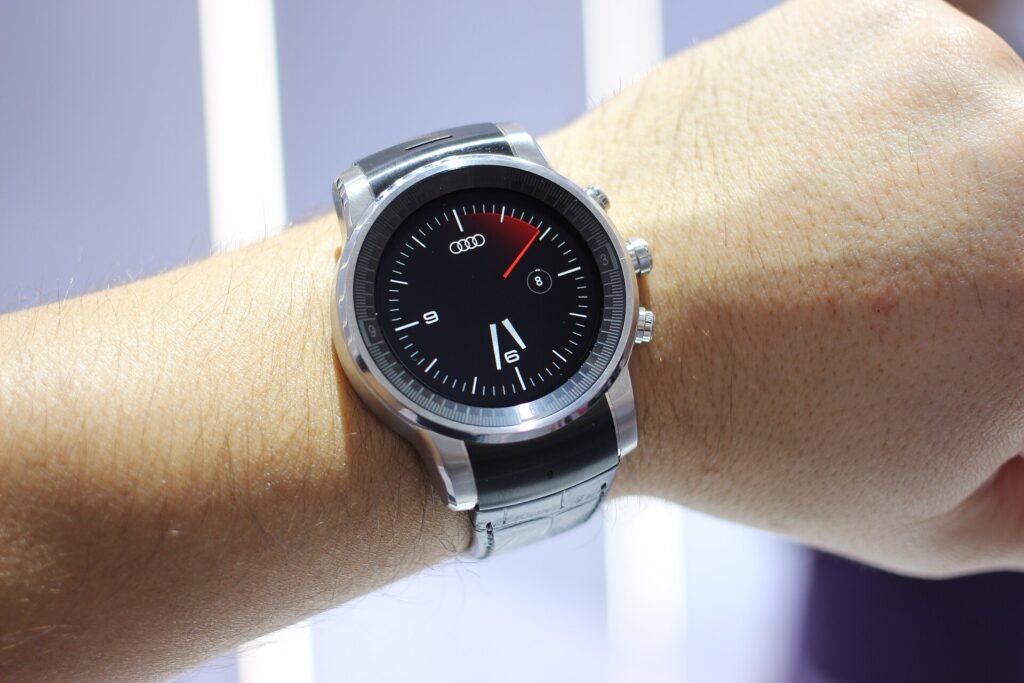
4. Take the device off sometimes
A night or workout without tracking is not missing data; it can be a useful check on whether the habit survives without a score.
5. Do not self-diagnose from an alert
An unusual reading may deserve attention, especially with symptoms, but consumer wearables have limits. Seek qualified medical guidance for health concerns.
6. Protect the data
Review account security, sharing defaults and connected health apps. Sensitive longitudinal data should not drift into services you no longer use.
7. Judge the wearable by decisions
After three months, ask what changed: more consistent sleep, safer pacing, better training or nothing. If the answer is only “I check it often,” simplify.
Editor’s note: This story is designed as a practical briefing, not a substitute for official travel, medical, legal or safety guidance. Details can change; follow the linked primary source at the point of decision.
Primary source and further reading: Open the original source. Reporting checked August 31, 2026.
SOURCES
Sources and further reading
EZ Trends links to primary documents, official announcements and established public-interest organizations. Consult the linked sources for current information.