
7 Wearable Trends Splitting the Market in 2026
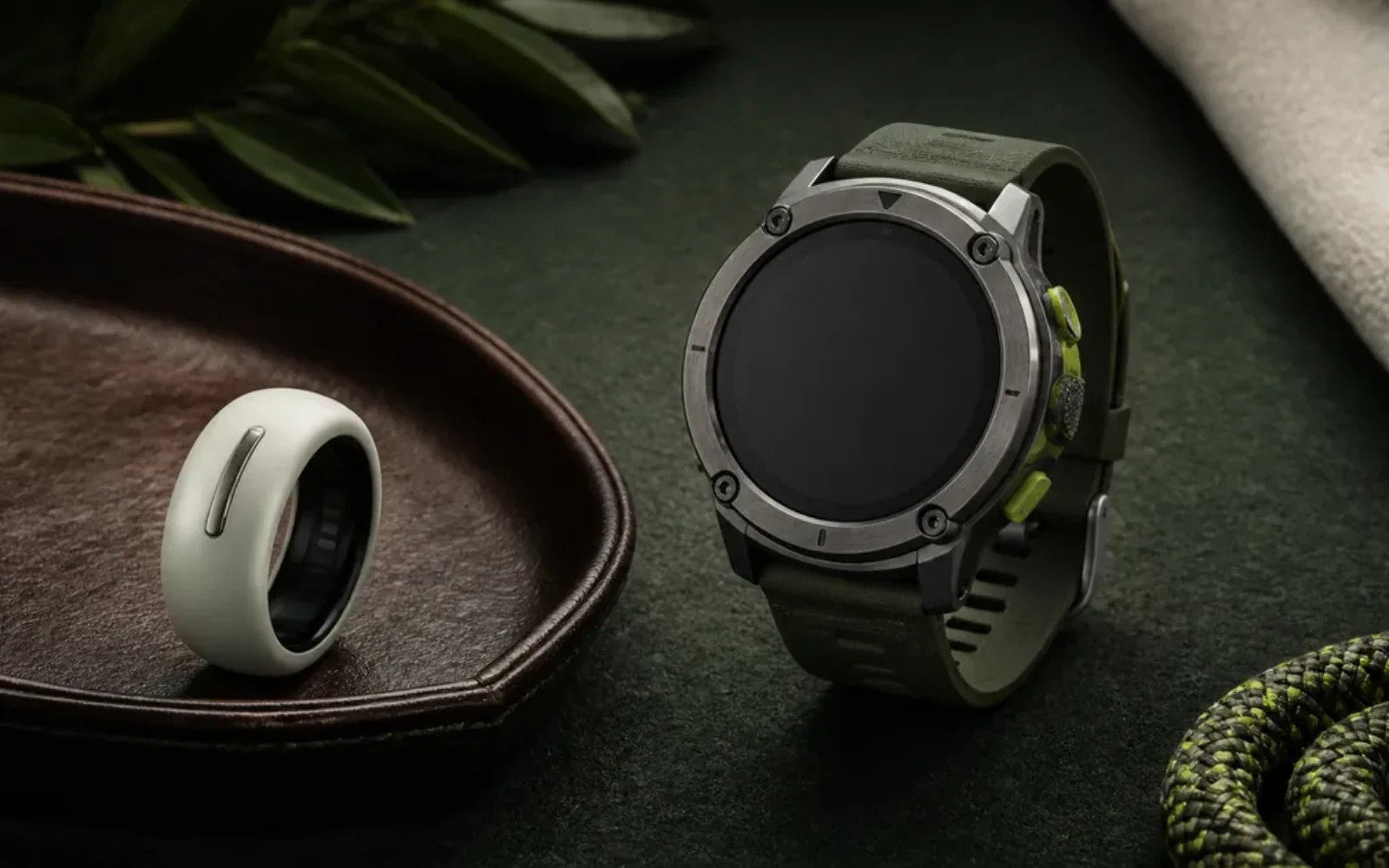
Wearables are no longer moving toward one universal smartwatch. Buyers are increasingly choosing either a device that disappears into daily life or a specialist tool that earns its size with accuracy and battery life.
Market data and product behavior point to seven shifts worth watching.
Screenless tracking is becoming a feature
Removing the display can reduce distraction and improve all-day wear, especially during sleep and work.
Sports watches are getting more specialized
Accurate GPS, physical controls, navigation and training metrics give serious users reasons to accept a larger device.
The middle of the market is under pressure
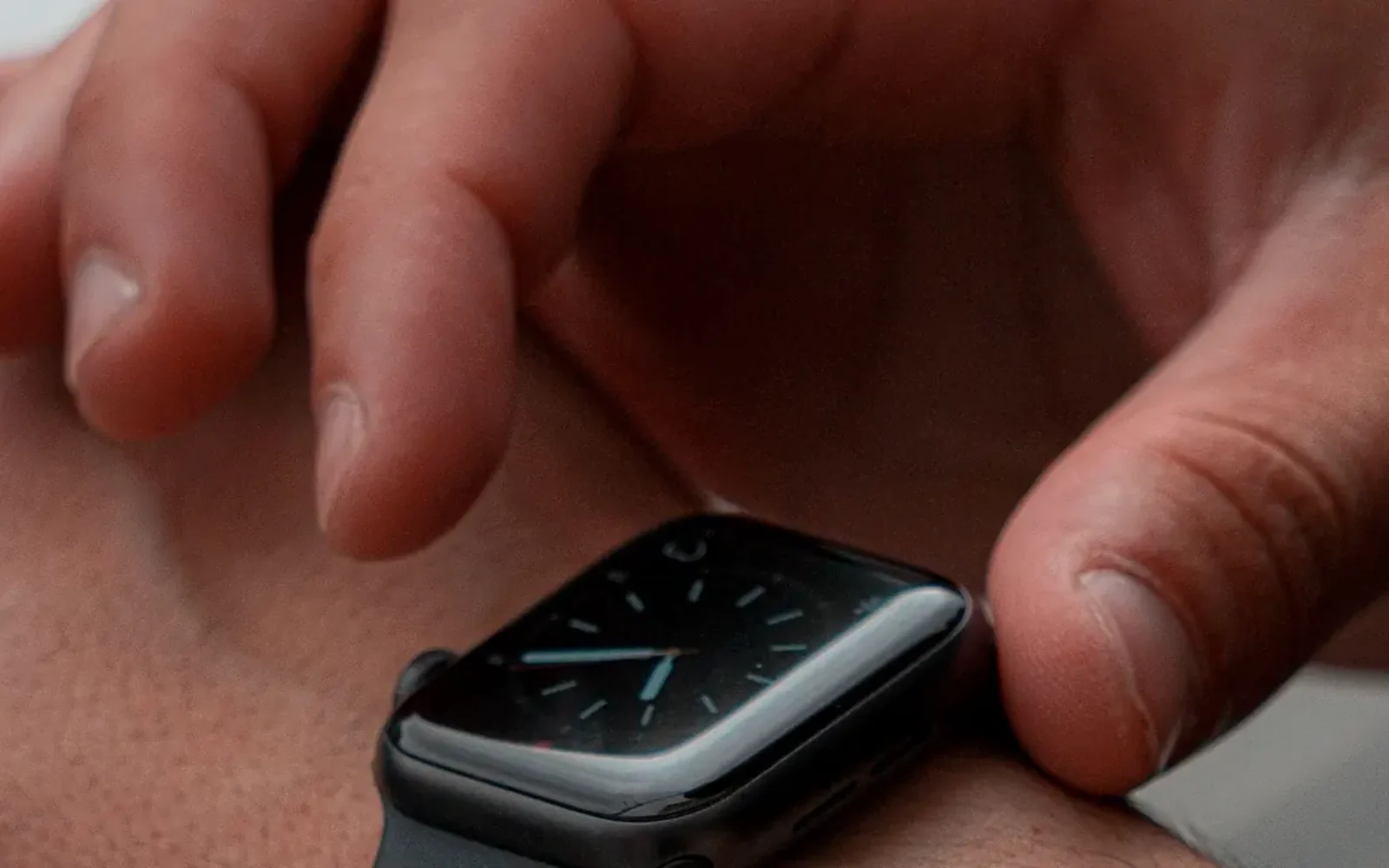
A conventional smartwatch can feel too distracting for wellness tracking and not capable enough for endurance sport.
Battery life is a buying argument again
Multi-day or multi-week endurance changes whether a device feels like equipment or another object that needs daily care.
Subscriptions are part of the real price
A low upfront price can hide years of membership fees. Compare the useful feature set with and without a subscription.
Trend data matters more than a single reading
Consumer sensors are most useful for patterns. One unusual score should trigger context and, when appropriate, qualified medical advice – not panic.
The best device improves one decision
Choose the behavior you want to improve: pacing, recovery, sleep consistency or navigation. More metrics do not automatically create more value.
The practical takeaway: Use the list to narrow the next decision, then verify prices, permissions, health guidance or official availability at the point of action.
Sources: Omdia market update and U.S. GAO wearable technology assessment.
SOURCES
Sources and further reading
EZ Trends links to primary documents, official announcements and established public-interest organizations. Consult the linked sources for current information.
- Omdia market updateomdia.tech.informa.com
- U.S. GAO wearable technology assessmentgao.gov
9 Responses