
8 Carry-On Mistakes That Create Expensive Airport Surprises

The most expensive bag is often the one that looked free during checkout. Carry-on rules vary by airline, route, aircraft and fare family, so a habit learned on one trip can fail on the next.
1. Reading only the size limit
Some airlines enforce weight as strictly as dimensions. Check both, with wheels and handles included.
2. Assuming every fare includes an overhead bag
Basic fares may allow only a personal item. The cheapest upgrade is usually the one purchased before arriving at the airport.
3. Ignoring the operating carrier
A ticket sold by one airline may be flown by another with different cabin-bag rules. Check the operating flight for every segment.
4. Packing spare batteries in checked luggage
Power banks and loose lithium batteries generally belong in the cabin, with terminals protected. Capacity limits and airline approval requirements vary.
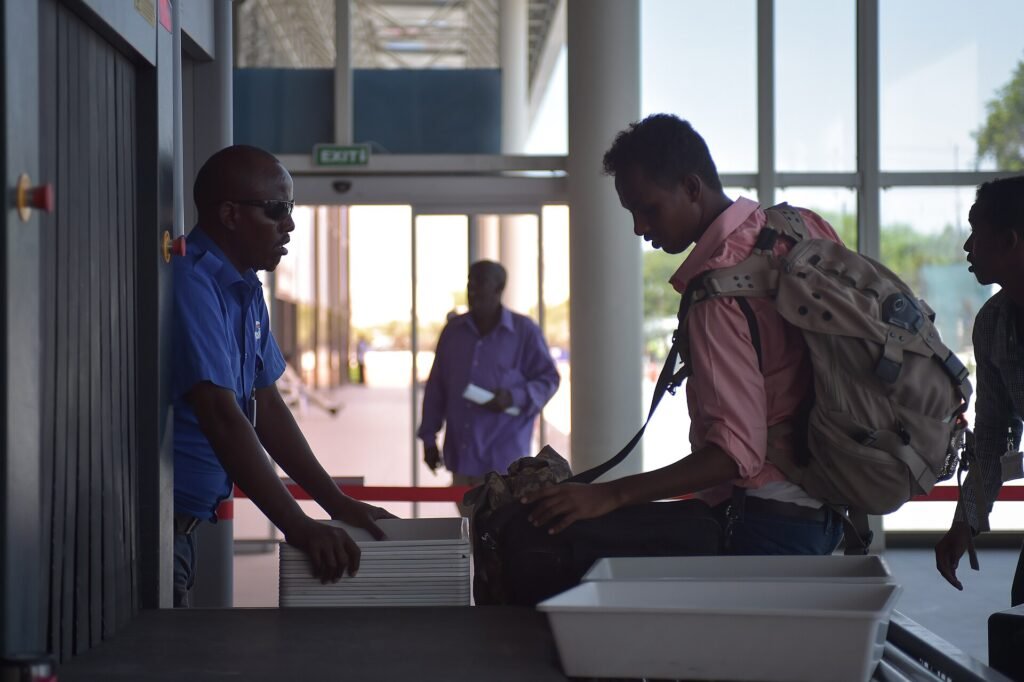
5. Treating liquids as a universal rule
Security limits can differ by airport and equipment. A scanner upgrade at departure does not guarantee the same rule on the return.
6. Forgetting regional aircraft
A legal cabin bag may still be gate-checked when overhead space is small. Keep medicine, documents, batteries and one essential layer in the personal item.
7. Overpacking the personal item
Airlines can measure the second bag too. A soft backpack is not exempt when it cannot fit under the seat.
8. Leaving no room for the return
Gifts and an extra layer can turn a compliant outbound bag into a paid return bag. Start below the limit, not exactly on it.
Editor’s note: This story is designed as a practical briefing, not a substitute for official travel, medical, legal or safety guidance. Details can change; follow the linked primary source at the point of decision.
Primary source and further reading: Open the original source. Reporting checked August 31, 2026.
SOURCES
Sources and further reading
EZ Trends links to primary documents, official announcements and established public-interest organizations. Consult the linked sources for current information.