
9 Space Missions Worth Watching Through the End of 2026
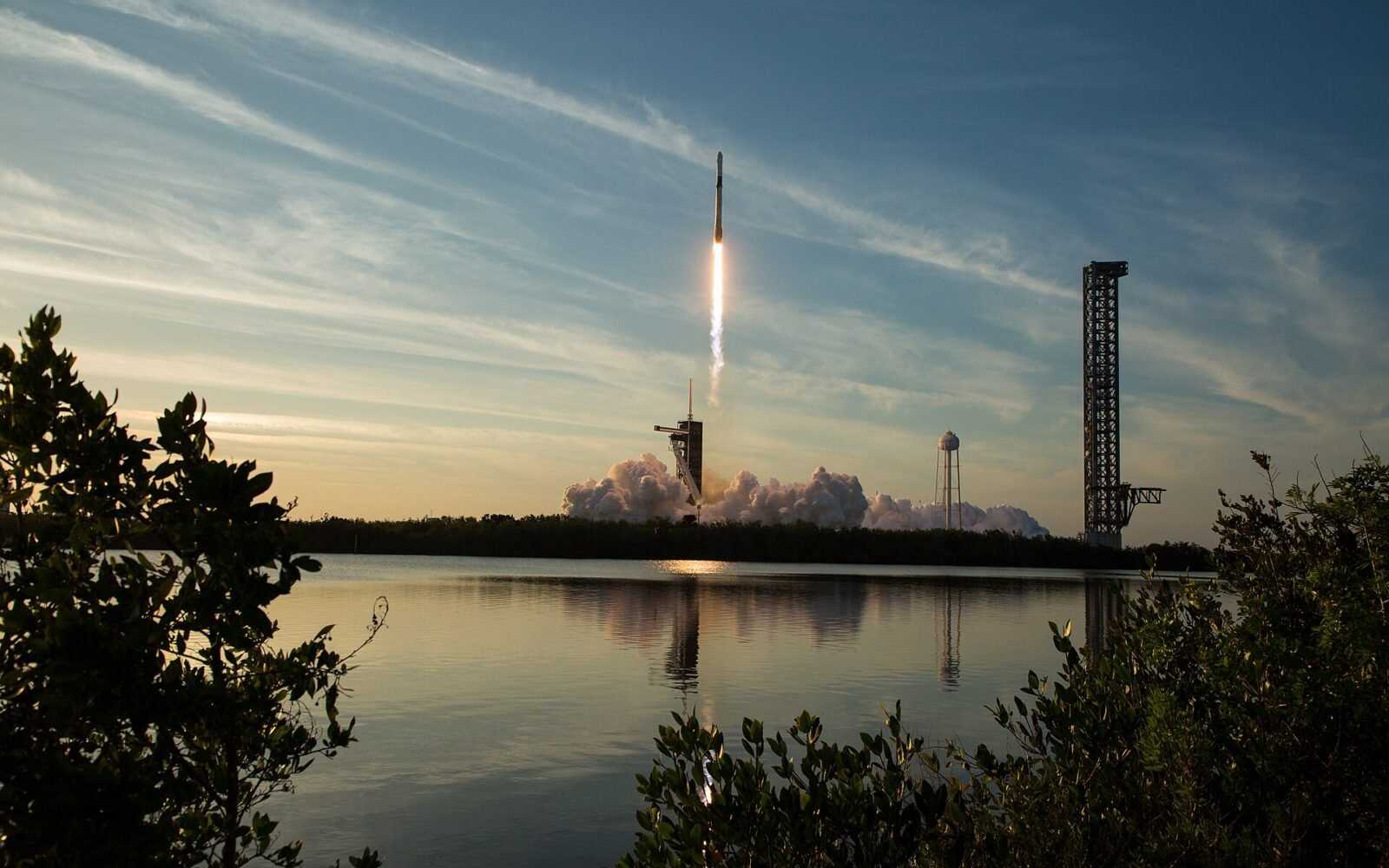
Space calendars move. Hardware slips, weather intervenes and a launch date can change after an article is published. So this is a watchlist, not a promise: nine missions or mission families that explain where the most interesting work is happening.
1–2. Lunar science and commercial delivery
The Moon remains a proving ground for instruments, landing systems and navigation. Watch the mission objectives as closely as the landing footage; even partial results can improve the next attempt.
3. Nancy Grace Roman Space Telescope
Roman is designed for wide-field infrared surveys that complement Webb’s deep, narrow views. Launch timing should always be checked on NASA’s mission page before planning around it.
4–5. Asteroid defense and sample science
Planetary-defense missions test how well we can measure and alter small-body trajectories. Sample analysis missions, meanwhile, turn tiny amounts of material into years of laboratory work.
6. Earth-observation constellations
New climate, wildfire and weather instruments rarely produce one dramatic image. Their value is consistent measurement that improves forecasts and long-term records.
7–8. Solar and heliophysics missions
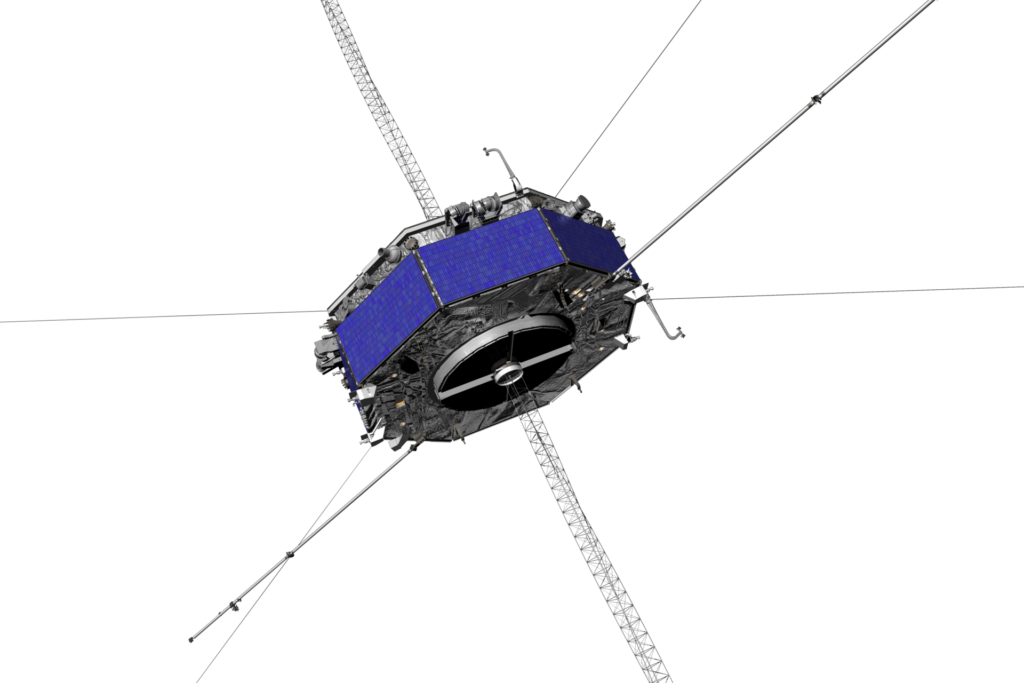
Understanding the Sun improves space-weather forecasting for satellites, astronauts and power systems. Multiple viewpoints are especially valuable because solar activity is three-dimensional.
9. Technology demonstrations
Servicing, docking and propulsion tests can look less glamorous than planetary missions, but they determine what future spacecraft can repair, reuse and reach.
Editor’s note: This story is designed as a practical briefing, not a substitute for official travel, medical, legal or safety guidance. Details can change; follow the linked primary source at the point of decision.
Primary source and further reading: Open the original source. Reporting checked August 31, 2026.
SOURCES
Sources and further reading
EZ Trends links to primary documents, official announcements and established public-interest organizations. Consult the linked sources for current information.
- science.nasa.govscience.nasa.gov
- NASA mission directorynasa.gov
- ESA missionsesa.int