
Roman Space Telescope Launch Day: What This New Observatory Is Built to Find
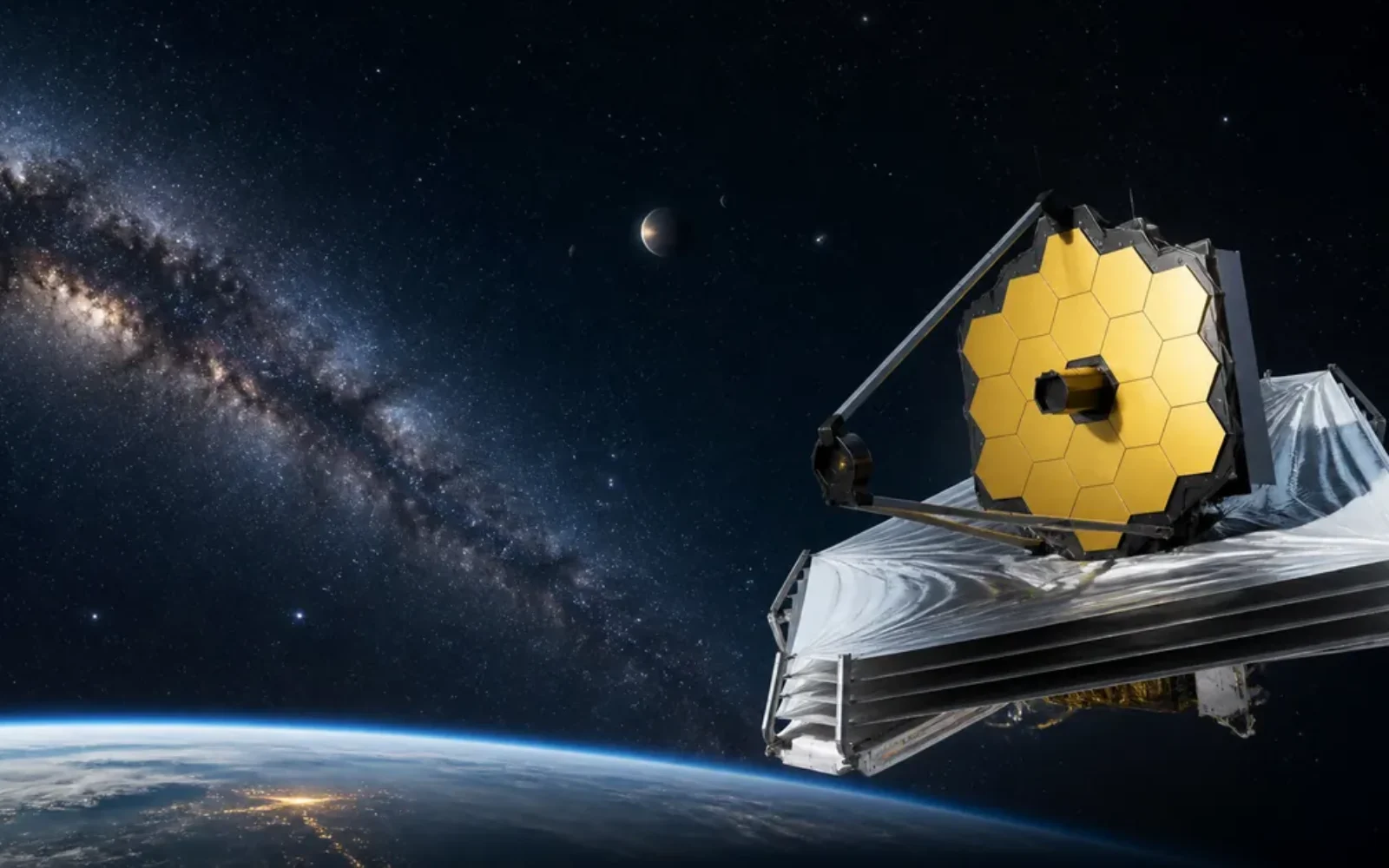
NASA’s Nancy Grace Roman Space Telescope is scheduled to launch on August 30, 2026 aboard a Falcon Heavy from Kennedy Space Center. The observatory carries a mirror similar in size to Hubble’s, but it is designed to see a dramatically wider patch of sky in a single observation.
NASA describes Roman’s field of view as about 100 times larger than Hubble’s. That does not make one telescope “better” in every situation. It means Roman is built for surveys: repeated, wide observations that can reveal patterns and rare events across enormous areas.
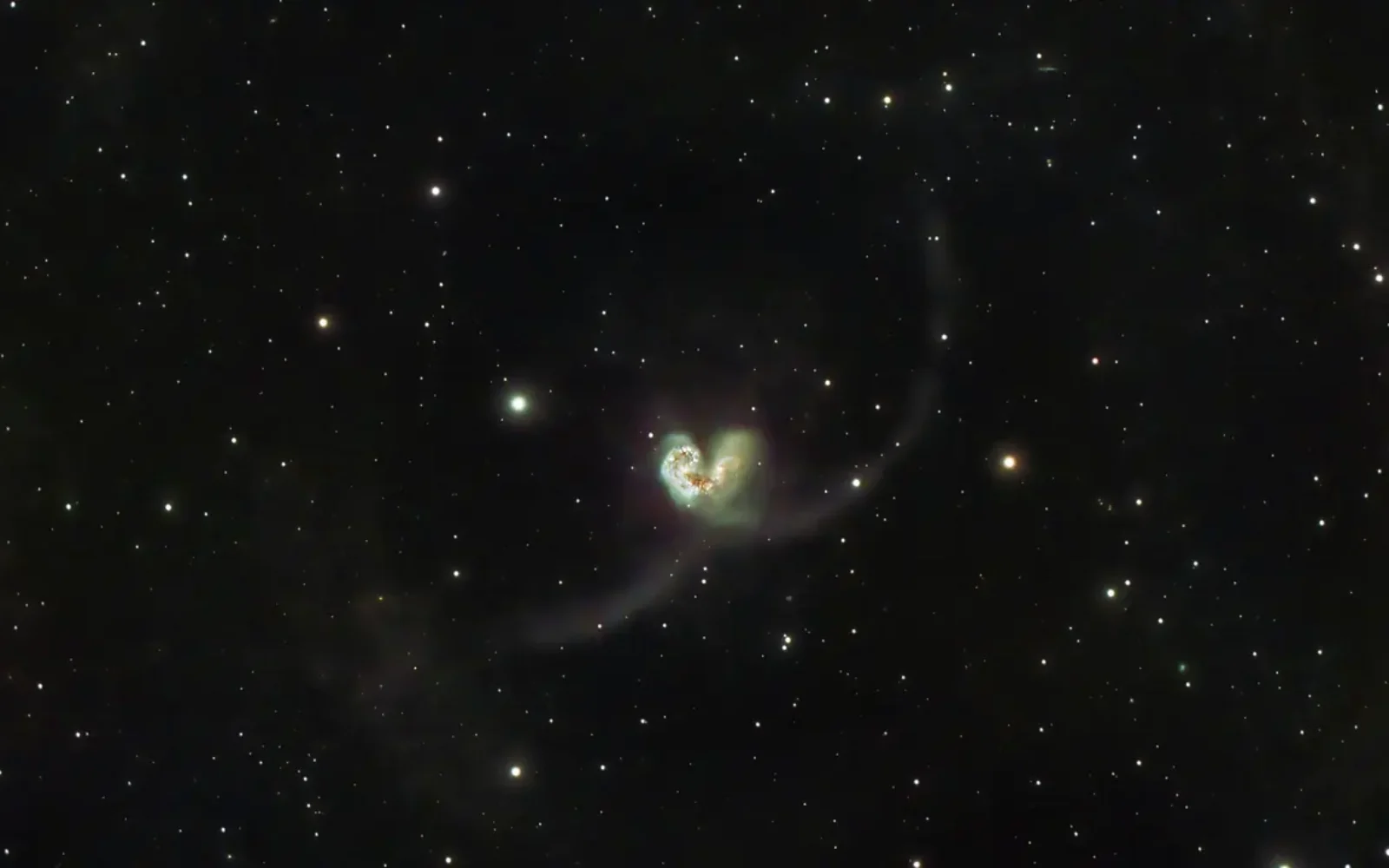
Three mysteries, one wide-field machine
Dark energy
The universe is expanding at an accelerating rate. Roman will map huge numbers of galaxies and exploding stars to help scientists measure how that expansion has changed over cosmic time.
Dark matter
Dark matter does not emit light, but its gravity bends the light of more distant objects. By measuring these subtle distortions across wide fields, researchers can build maps of matter that ordinary telescopes cannot see directly.
Exoplanets
Roman is expected to discover thousands of planets through gravitational microlensing, including worlds far from their stars and potentially planets that roam without a host star. Its coronagraph technology demonstration will also test tools needed to image planets that are vastly dimmer than the stars they orbit.
Why the survey approach matters
Many discoveries happen because scientists know where to look. Survey telescopes create the catalogs that make those targeted observations possible. Roman’s wide maps can become a discovery engine for other observatories, including Webb and future ground-based telescopes.
Launch schedules can change, and the first images will not arrive instantly. After launch, the observatory must travel, deploy, cool and complete commissioning. The scientifically interesting phase begins only after the engineering team has proved the telescope is stable and calibrated.
Source: NASA Science mission overview and Roman launch countdown.
SOURCES
Sources and further reading
EZ Trends links to primary documents, official announcements and established public-interest organizations. Consult the linked sources for current information.
- NASA Science mission overview and Roman launch countdownscience.nasa.gov
- NASA: Nancy Grace Roman Space Telescopescience.nasa.gov
One Response