
11 Signs the Ocean Is Under Unusual Stress
A warm ocean is not simply a warmer swimming pool. Heat changes evaporation, storms, oxygen, ecosystems and the way the ocean stores carbon. No single beach or season tells the whole story, which is why scientists track a set of connected signals.
1–2. Persistent surface heat and marine heatwaves
A daily spike matters less than heat that persists across a large region. Marine heatwaves can disrupt feeding, migration and reproduction long after the weather above the water changes.
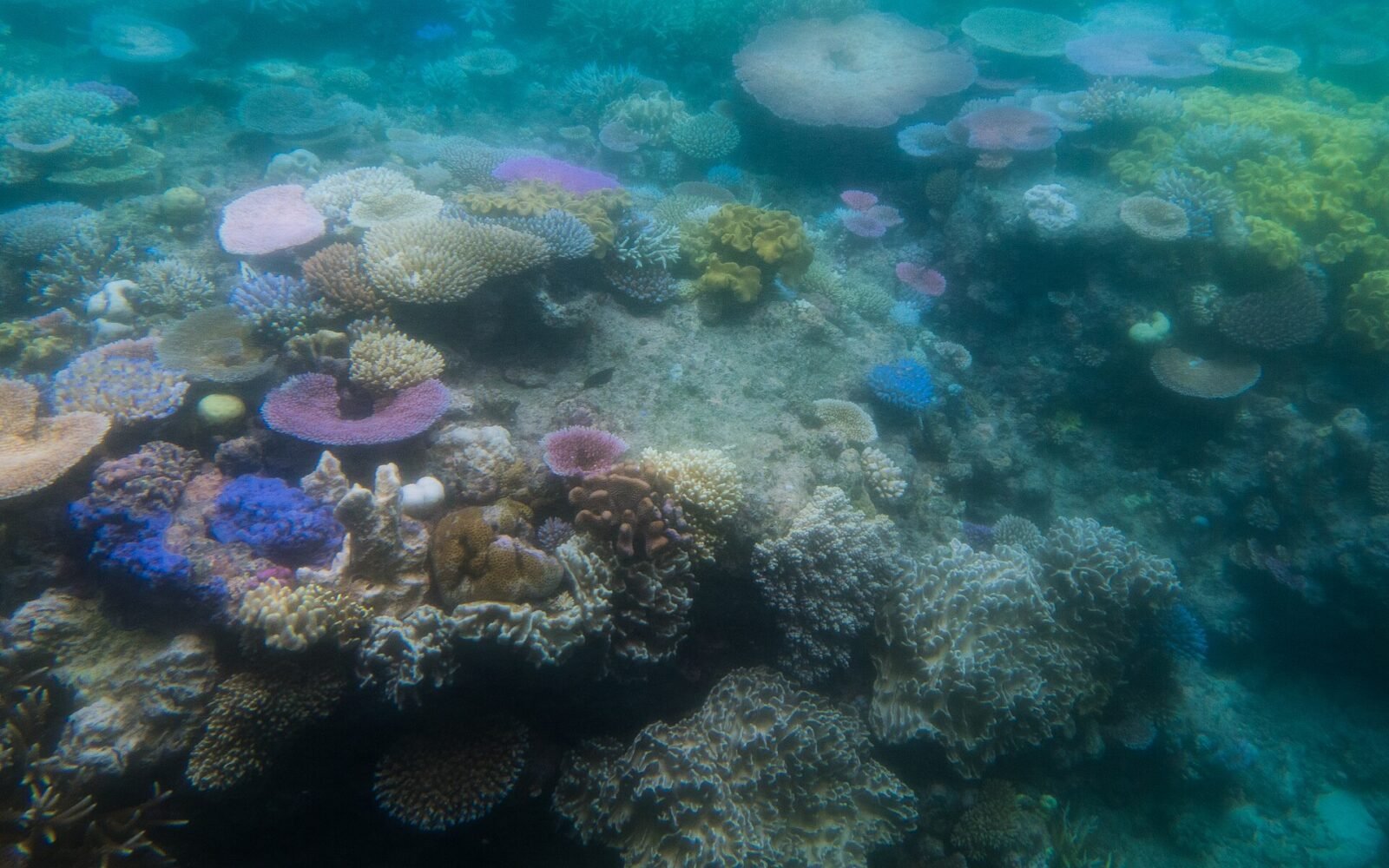
3–4. Coral bleaching and shifting species
Corals expel their symbiotic algae under heat stress, losing color and energy. Fish and other species may move toward cooler water, changing local food webs and fisheries.
5–6. Lower oxygen and stronger stratification
Warm water holds less oxygen, while strong layering can reduce mixing between the surface and deeper water. Together, those effects can squeeze habitable zones.
7–8. Sea-level rise and coastal flooding
Thermal expansion raises sea level as water warms, while melting land ice adds volume. Higher baselines make ordinary tides and storms more damaging.
9. Acidification
The ocean absorbs carbon dioxide, changing seawater chemistry. The result can make it harder for some organisms to build shells and skeletons.
10–11. Ice loss and altered currents
Sea ice affects habitat and the exchange of heat between ocean and atmosphere. Changes in temperature and salinity can also influence major circulation patterns, though those systems require careful long-term interpretation.
Editor’s note: This story is designed as a practical briefing, not a substitute for official travel, medical, legal or safety guidance. Details can change; follow the linked primary source at the point of decision.
Primary source and further reading: Open the original source. Reporting checked August 31, 2026.
SOURCES
Sources and further reading
EZ Trends links to primary documents, official announcements and established public-interest organizations. Consult the linked sources for current information.
- climate.copernicus.euclimate.copernicus.eu
- Copernicus Marine: Ocean State Reportmarine.copernicus.eu
- NOAA: global coral bleaching eventcoralreefwatch.noaa.gov